1. On timelines, wall panels are installed 4× faster than preparing and painting a wall
Installing wall panels in a standard 2-bedroom apartment takes up to 7 days. Classic wall preparation for painting is a multi-stage job — cutting out and filling cracks (a common issue in Dubai apartments, caused by buildings settling after fast construction), levelling, filling, sanding and priming in several coats — and it stretches out over at least a month: every coat has to dry completely, and high indoor humidity slows the process down even further.
What “just painting a wall” actually involves
Behind the apparent simplicity of painting lies a whole body of work. Individually, each step is inexpensive, but together the preparation and painting make up a significant part of the final quote:
Stage of work
AED / m²
Cleaning the wall
20
Dust removal
10
Cutting out and filling cracks
80
Surface levelling
80
Filling
70
Sanding
30
Priming
30
Painting
70
Final priming
30
Paint (European manufacturer, matt)
20
Total: preparation + painting
≈ 440
So the cost of painting a wall in Dubai works out at around 440 AED per square metre of wall.
For comparison: decorative plaster, including the same substrate preparation plus the material and its application (350 AED/m²), already comes to roughly 770 AED/m². The cost of wall panels in Dubai starts from 500 AED/m² — meaning the difference against ordinary painting is only about 60 AED/m², while against decorative plaster the panels are noticeably cheaper.
2. An important detail about the UAE climate
In local conditions, we work exclusively with matt paints as a matter of principle. Glossy finishes from many European manufacturers behave unpredictably in this climate and can go on unevenly, even with professional equipment (we use GRACO spray systems). With panels this risk disappears entirely — the surface quality doesn’t depend on the climate at the installation stage. This is another factor that can lead to extra costs if the contractor isn’t aware of it and hasn’t worked with such paints before.
3. Panels last longer and are easier to maintain
Paint changes colour and fades over time, and it’s impossible to touch up a faded patch in isolation — you have to repaint the entire wall. Panels are resistant to scratches and dirt, wipe clean easily, and if one section is damaged, you simply replace a single panel — with no need to redo the whole wall.
4. The visual effect
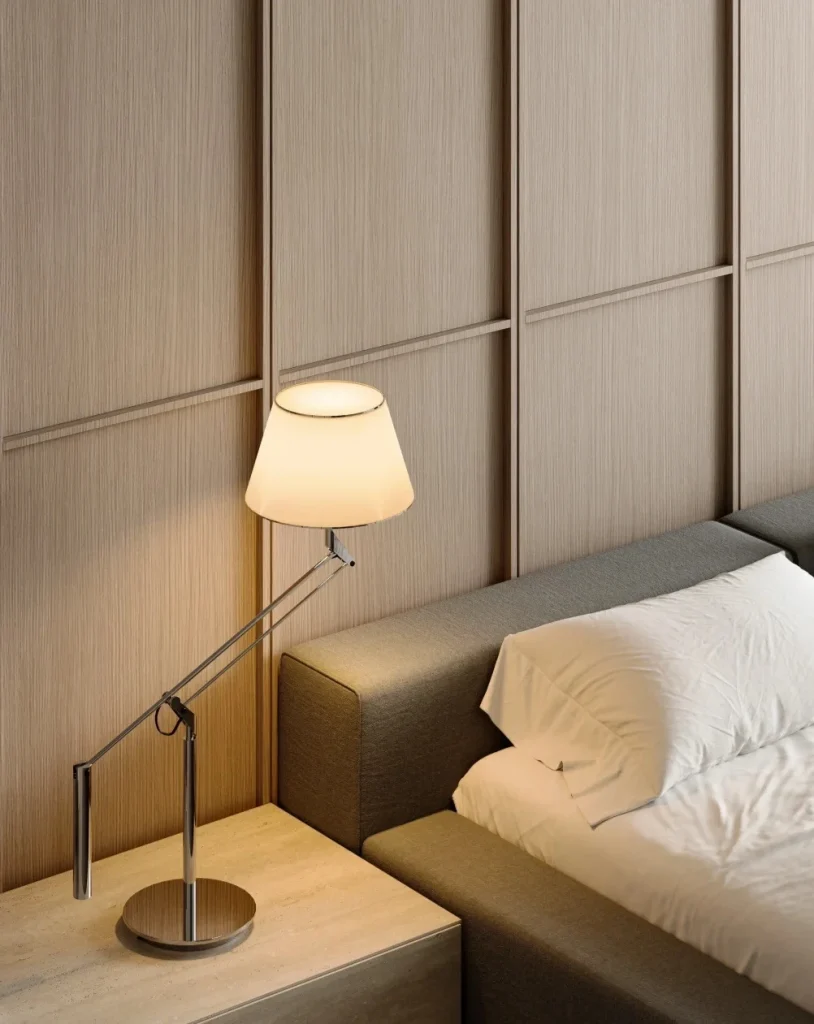
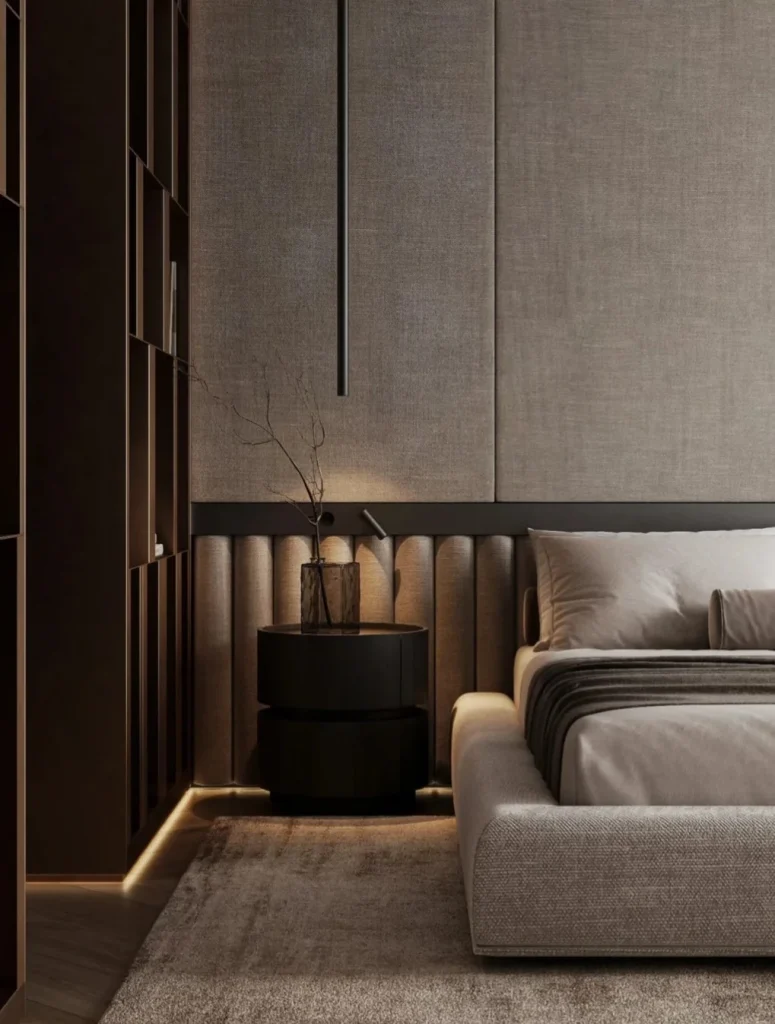
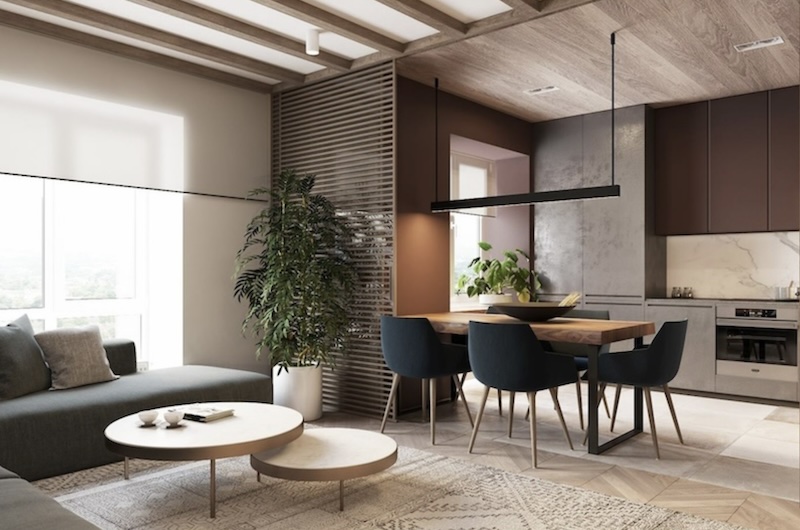
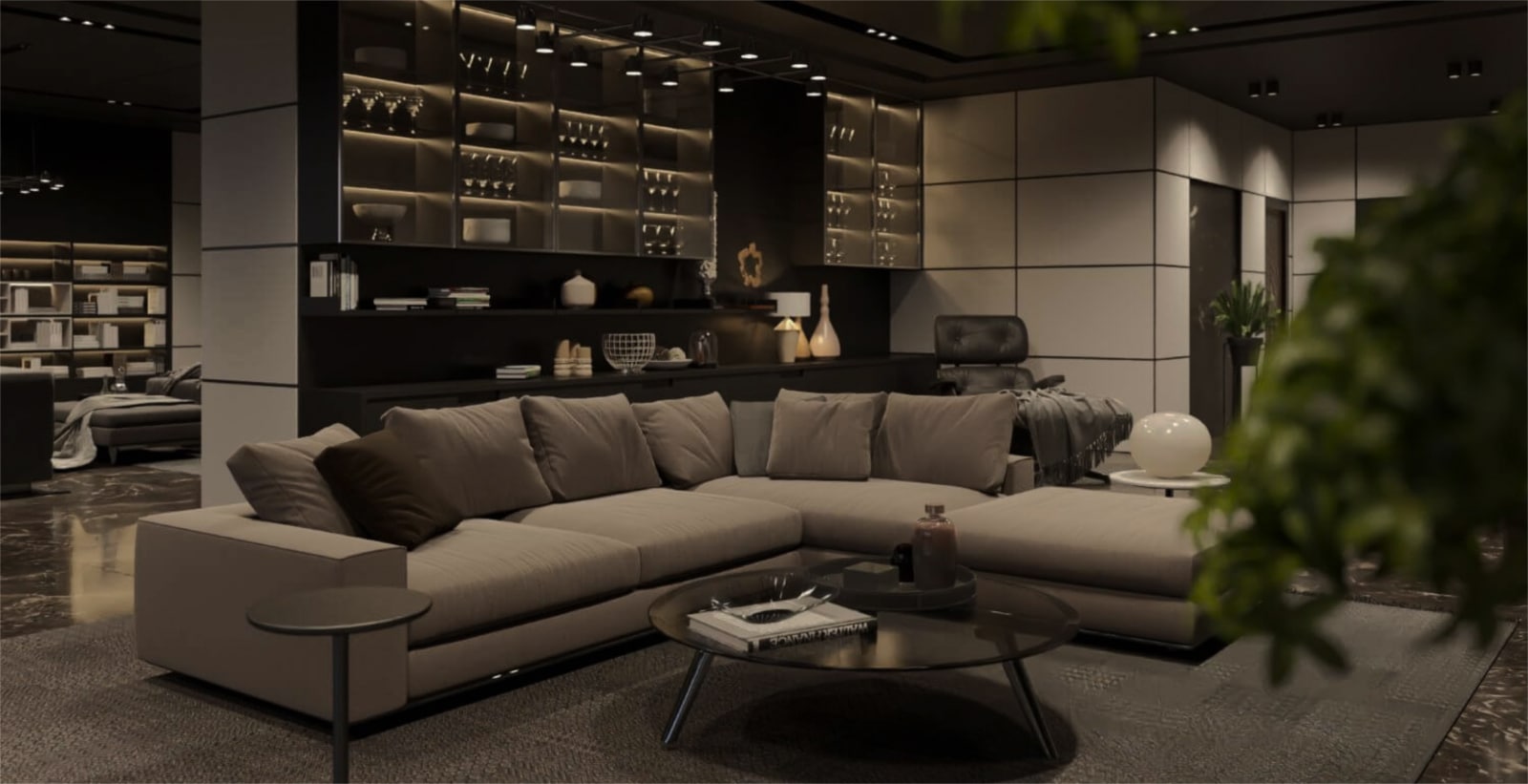
Beyond saving time and money, panels make an interior look more expensive — the effect is immediate, with no additional spend on décor.
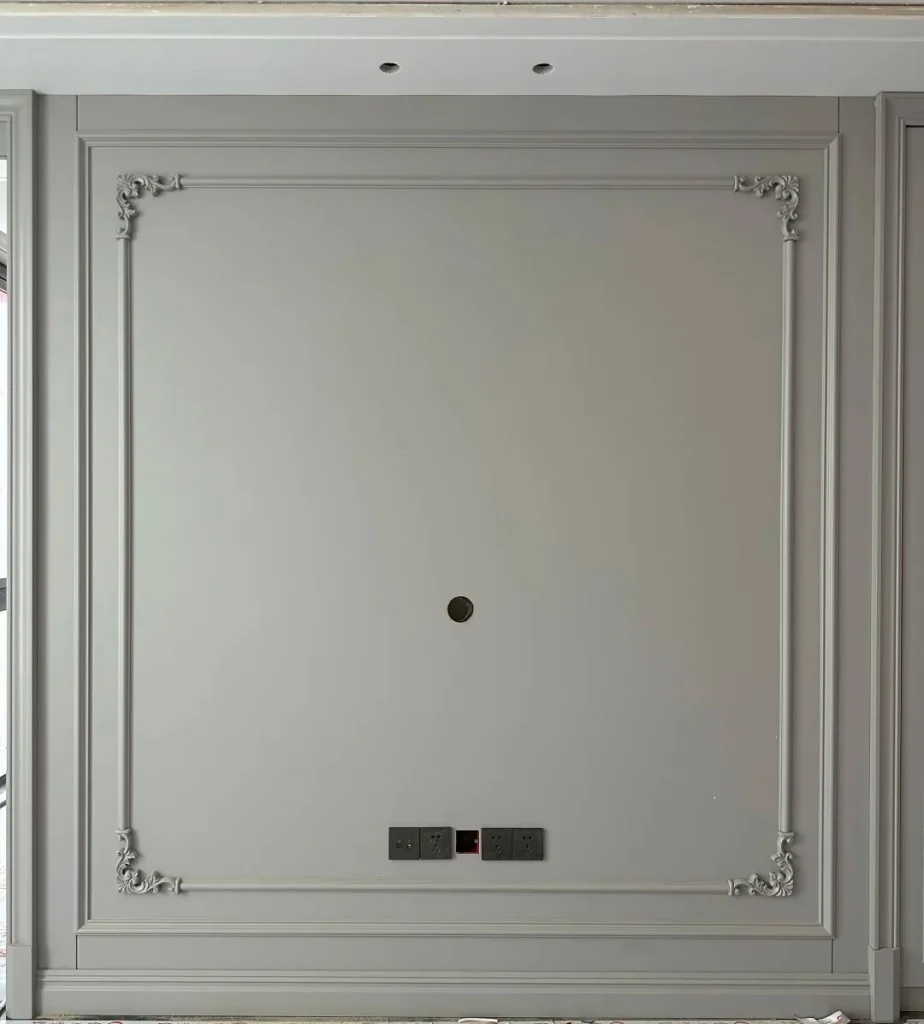
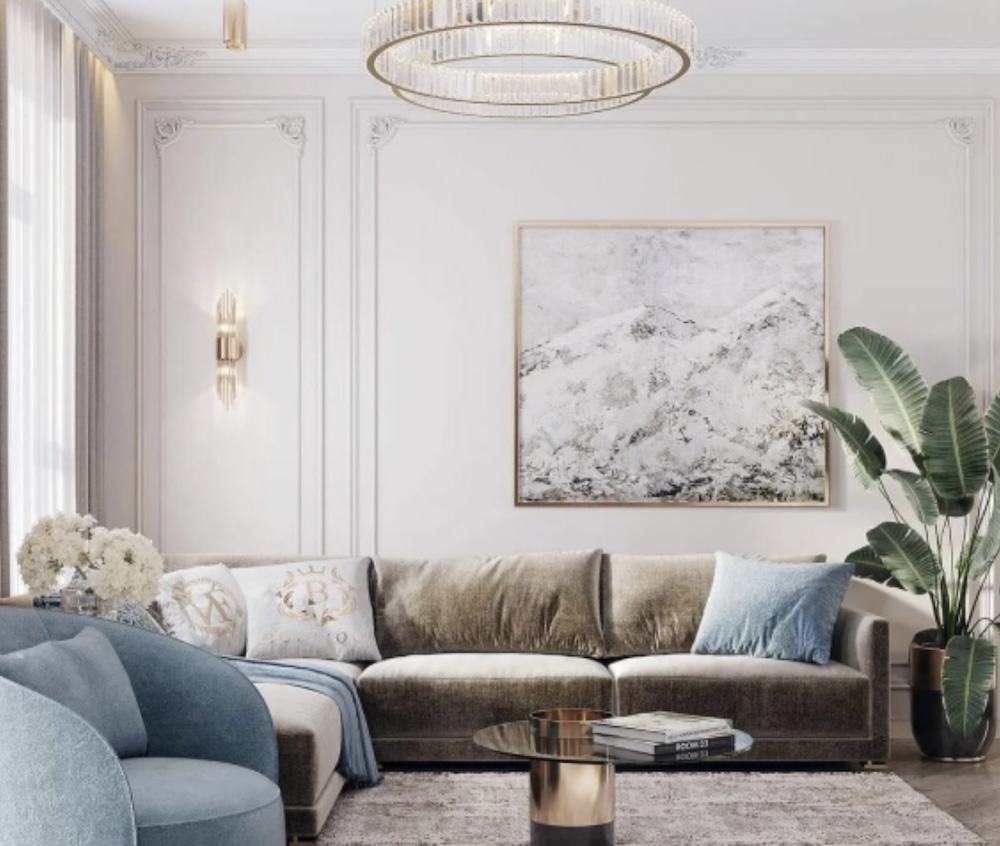
What’s more, not everyone knows this, but panels give a cleaner look for classic interiors with mouldings. Fixing and painting mouldings on a wall demands surgical precision — professional spray equipment to distribute the paint evenly across the moulding’s contoured details and achieve a clean join with the wall. That’s why, in premium-level renovations, standard foam or gypsum mouldings are replaced with timber panels featuring wood carving done by hand by craftsmen.
5. Choosing the shade
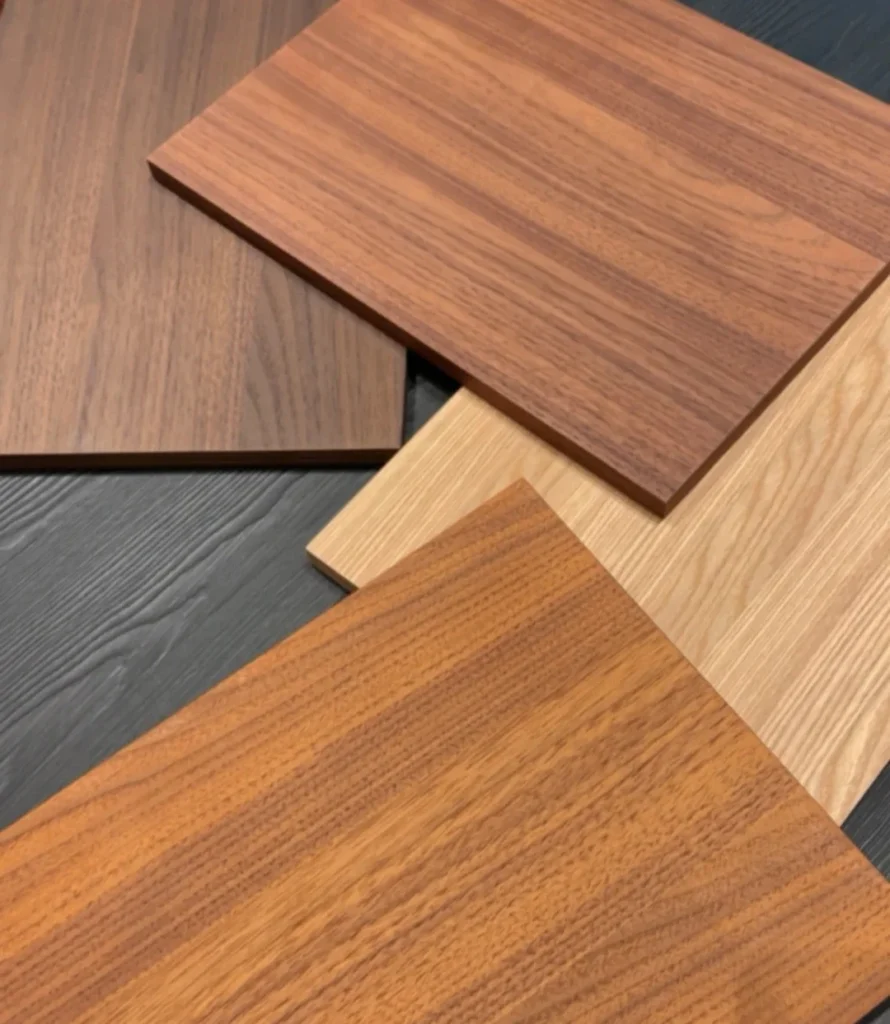
how the samples look in the officehow they look on site
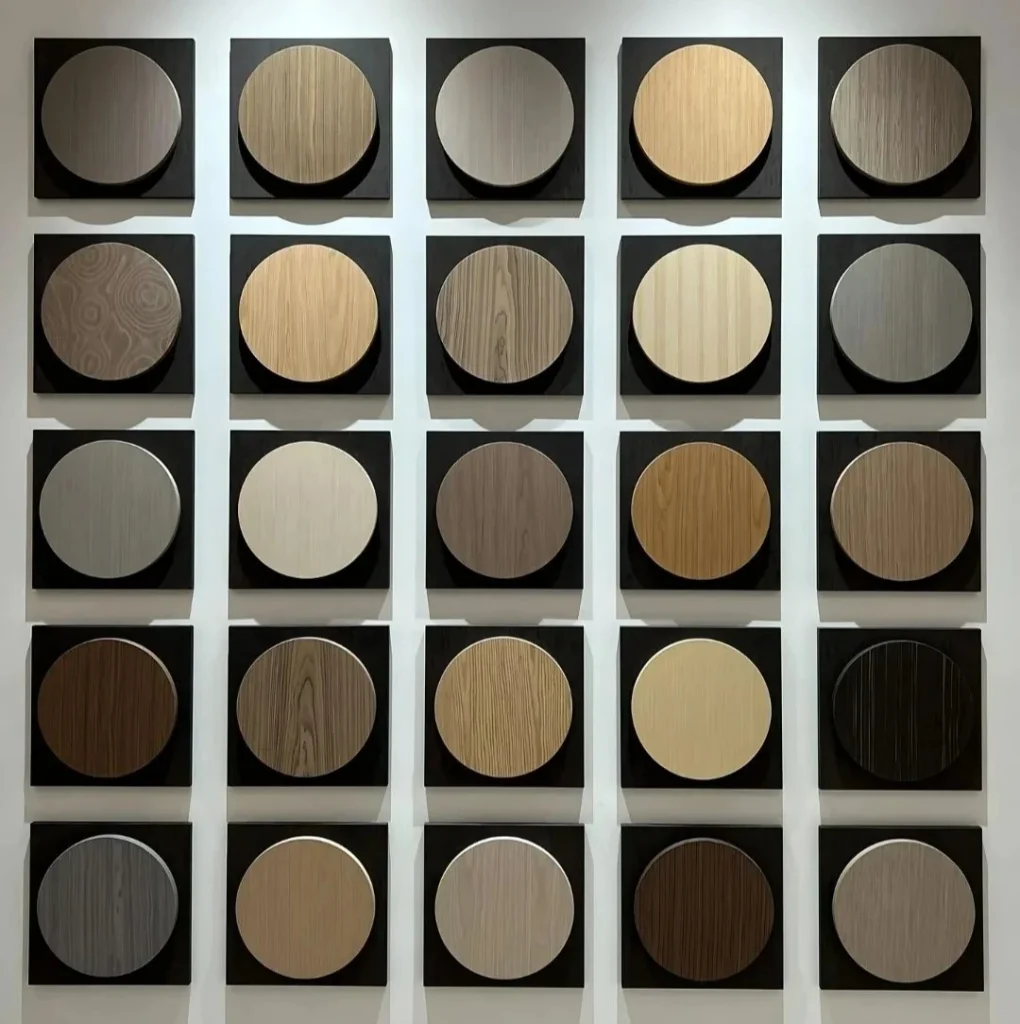
Choosing the shade — of both paint and wall panels — should happen on site, so you can see how the material will actually look in real life. The problem is that the lighting in every apartment, and even every room, is highly individual. Factors at play include the size of the window the light comes through: if the window is small, there will be little natural daylight, and the wall or panel may look considerably darker than expected, so a lighter shade needs to be chosen.
The orientation of the property matters just as much. Even with floor-to-ceiling windows, natural light can be blocked by a neighbouring building, so a panel may appear too dark and throw off the colour balance of the interior.
Light, in other words, plays a huge role when choosing a shade — and even within a single room, the same material can look completely different depending on the angle it sits at. We’ve had more than one case where a client chose a paint in the shop, but when the apartment was actually painted, the cool tone of an expensive European paint turned into a cheap yellow on the walls. So, before buying paint or settling on a shade of wall panelling, don’t forget to look at the sample in daylight, in exactly the spot where it will be used.
Although the history of its creation dates back 100 years, loft style stays relevant today. It first appeared in the 20s of the XX century in America, when, during the Great Depression, the owners of large factories were forced to leave their premises...
Provence style in the interior – a nice charm of the French province, located on the Mediterranean coast. It emerged in the eighteenth century, when the elite of France started to move away from the pompous atmosphere that was inherent in the Baroque and other historical trends.