



Andrew Prokopenko
Renovation in Dubai: 7 Risks and How to Avoid Them

When a client sees the line “roof waterproofing” in our villa renovation quote, the first question is almost always the same: “Why? It never rains in Dubai.” Here’s the full answer, once and in detail — this article is exactly about that. Spoiler: roof waterproofing is part of every villa renovation we do, and it’s not a way to inflate the quote — it’s a way to avoid redoing your renovation in two years.
Rain isn’t a roof’s main enemy in the Emirates. The main enemy is temperature.
In summer, the surface of a flat roof heats up to 70–80 °C, then cools by 25–30 degrees at night. This cycle repeats hundreds of times a year. The concrete and the old waterproofing layer expand and contract, and micro-cracks appear in them. Add the UV that breaks down previous-generation bitumen membranes within 5–7 years, plus the high humidity and salt in the air typical of coastal areas from Palm Jumeirah to Dubai Hills.
And then the rain comes. Rare, but in Dubai it falls not as drizzle but as a downpour: a month’s worth can fall in a single day. The water finds every crack that has built up over the years — and ends up inside the house. Not immediately, either: first it accumulates for months in the layers of the roof build-up and the slab.
In our experience with villas in Dubai, the consequences look like this:
Stains and streaks on the ceiling — the most harmless. Repainting a ceiling costs 80 AED/m², but you’ll have to repaint only after the slab has dried out completely — that’s weeks.
Mould inside the structure. Moisture in the slab + heat = ideal conditions. Mould spreads inside drywall boxing and behind built-in furniture, where you can’t see it. In our practice there was a case where dealing with the aftermath of mould cost the owner far too much — a fresh renovation worth $200,000 was ruined.
Damage to expensive finishes and furniture. A leak doesn’t choose where to drip. A veneer built-in wardrobe, decorative plaster, parquet — none of these can be repaired locally: the panel or the section of floor has to be replaced in full.
Corrosion of embedded fixings and utilities. Villa roofs carry the outdoor AC units and electrical wiring. Water reaching the fixing zones and cable runs is no longer a cosmetic problem.
Important point: the contractor’s insurance and warranty on the interior finish do not cover damage from a roof leak if waterproofing wasn’t part of the scope of work. In that case the liability rests entirely with the owner.
The logic is simple: we give a warranty on our work — on the finishes, the furniture, the engineering systems. Giving a warranty on an interior that sits beneath a roof with expired waterproofing would mean deceiving the client. So a roof inspection is part of every villa renovation we do, and we build waterproofing renewal into the quote based on what the inspection finds.
If the existing coating is in good condition, we’ll say so honestly and limit ourselves to repairing the problem zones: junctions, parapets, the areas around drains and AC supports. That’s where 80% of leaks begin.
Inspection. We examine the coating, junctions, parapets and drainage outlets. If there are signs of hidden leaks, we open up the roof at control points.
Substrate preparation. Removing delaminated sections, repairing cracks with repair compounds, correcting the falls — water must not pool on the roof.
Applying the waterproofing system. For flat roofs in the UAE climate we use Mapei and Sika polyurethane and cementitious-polymer systems — a seamless, elastic coating that works under tension during thermal movement and withstands UV. Applied in two coats with reinforcement of the problem zones.
A protective top coat with reflective properties — it reduces the roof’s heat gain, and with it the cost of cooling the top floor.
Waterproofing test. We flood the roof with water for 24–48 hours and check the control points before signing off.
The service life of a system like this, when the technology is followed, is 10–15 years under the manufacturers’ guidelines.
The cost depends on the roof area, the condition of the substrate and the number of junctions (parapets, superstructures, rooftop equipment):
Standard villa (3–5 bedrooms) — 25,000–55,000 AED for the full cycle: inspection, preparation, waterproofing system, water test.
Villas from 1,000 m² — from 150,000 AED, priced individually based on the inspection.
Local repair of junctions and problem zones — priced separately after inspection; this is the optimal option when the main coating is still serviceable.
Three signs you can spot without a specialist: stains or hairline cracks on the top-floor ceiling; blisters and delamination on the roof coating itself; puddles that stay on the roof for more than a day after rain or washing; water coming from power sockets. If even one matches, it’s better not to put off an inspection until the rainy season.
We carry out the roof inspection during our site visit — together with the measurements for the renovation quote. Send us the villa plan on WhatsApp and we’ll give you a rough idea of the cost and the next step.
Update Date:06.09.2026
Update Date: 06.09.2026
Andrew Prokopenko
Renovation in Dubai: 7 Risks and How to Avoid Them
Andrew Prokopenko
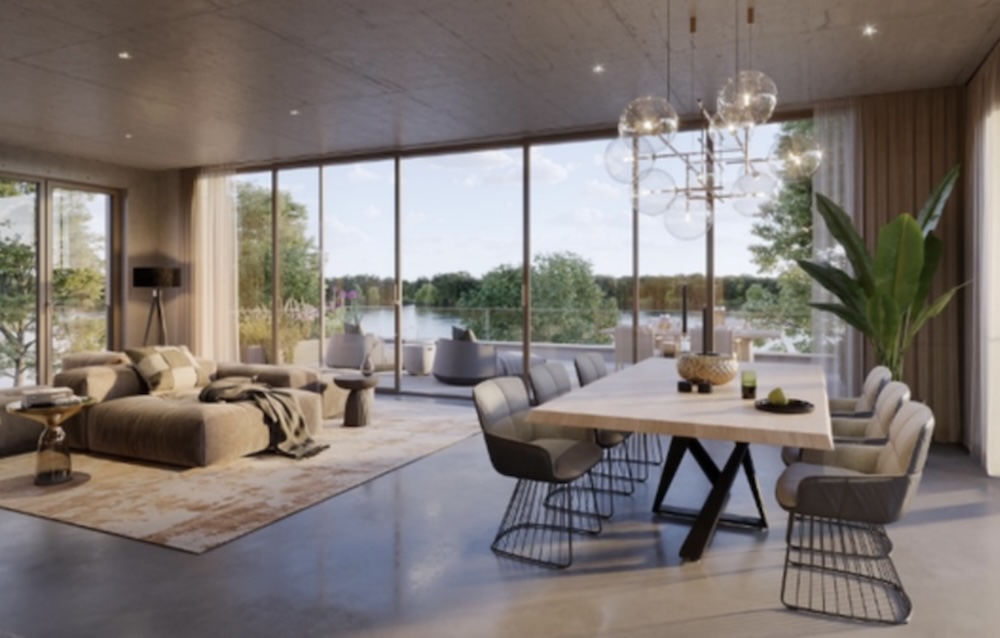
Minimalism in interiors gives a sense of freedom, fills the space with light and air. Repairs in this style are quite often requested in Prestige-Renovation for modern houses, apartments, villas, and cottages...
Andrew Prokopenko
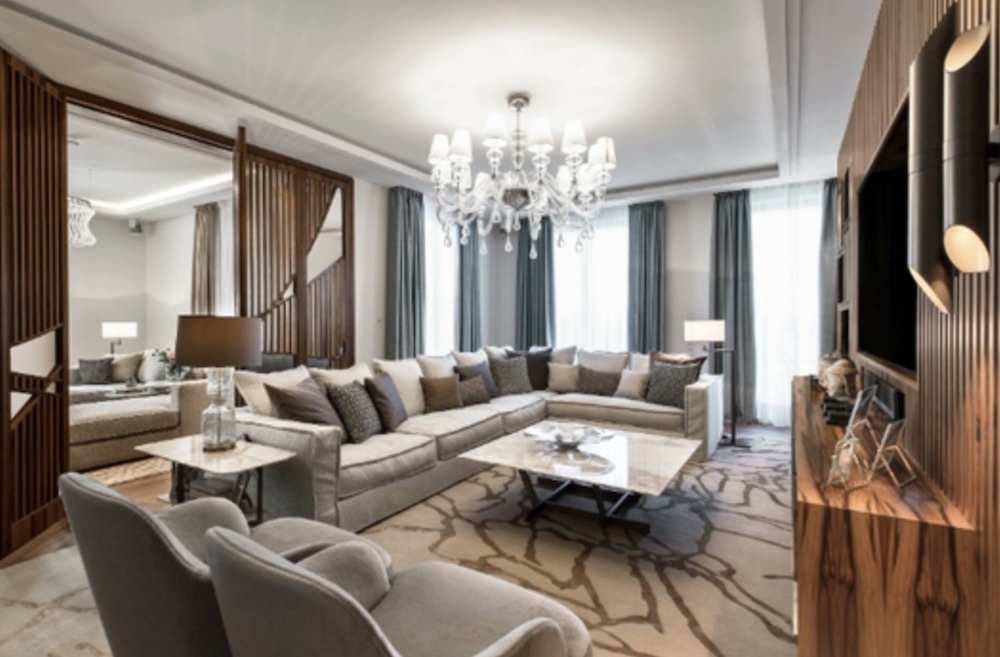
There are over 100 interior design styles. Each has its own unique features, and some are very similar to each other and differ only in details. There are no strict rules for creating a design: it is a creative flight of fancy...
Andrew Prokopenko
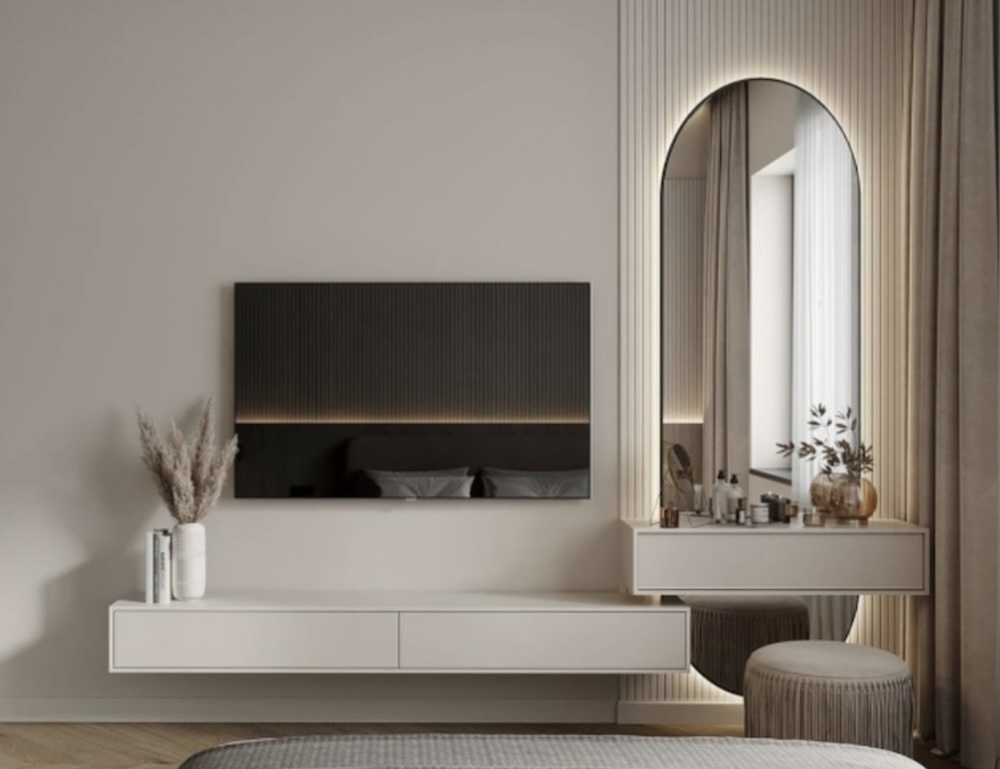
Scandinavian style is the embodiment of comfort and serenity, as they are fundamental to the dwelling of northern people. It is appreciated for its functionality and simplicity...
Andrew Prokopenko
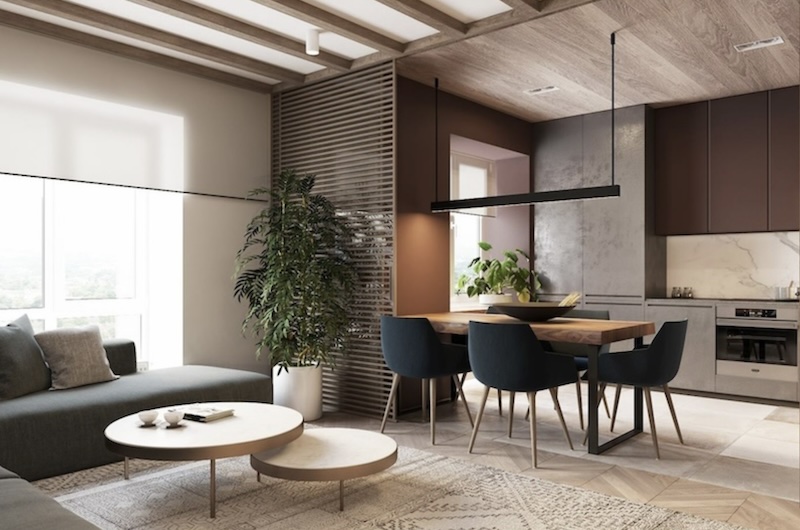
Although the history of its creation dates back 100 years, loft style stays relevant today. It first appeared in the 20s of the XX century in America, when, during the Great Depression, the owners of large factories were forced to leave their premises...
Andrew Prokopenko
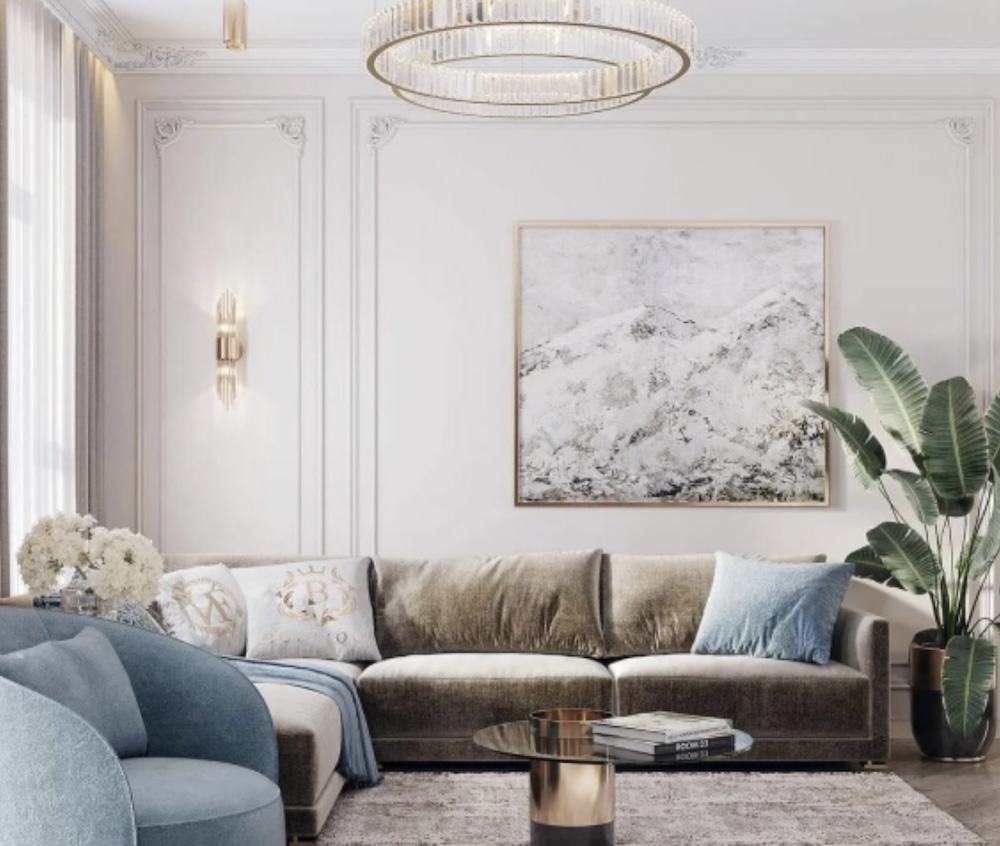
Provence style in the interior – a nice charm of the French province, located on the Mediterranean coast. It emerged in the eighteenth century, when the elite of France started to move away from the pompous atmosphere that was inherent in the Baroque and other historical trends.
Мы перезвоним Вам в рабочее время
Aspin Commercial Tower, Sheikh Zayed Rd, Dubai, United Arab Emirates
View on map
Thank you for choosing us!
Leave a complaint
Andriy Prokopenko
Leave a request and our manager will contact you as soon as possible.
You can also give us a call right away:
+971 52-625-34-34