



Andrew Prokopenko
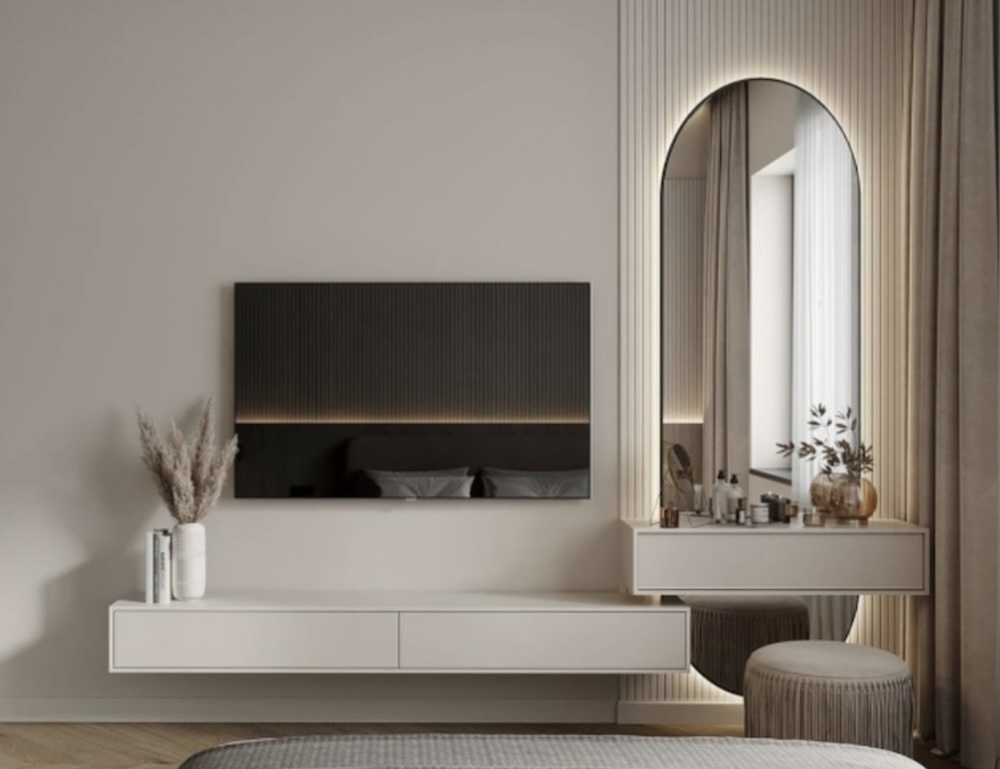
Scandinavian style is the embodiment of comfort and serenity, as they are fundamental to the dwelling of northern people. It is appreciated for its functionality and simplicity...

Buying an apartment in Dubai is only the start of the journey. What many owners discover next is uncomfortable: a large part of the design and renovation market consists of companies that present beautifully but execute poorly. Here’s what’s worth knowing in advance, so you don’t repeat someone else’s painful experience.
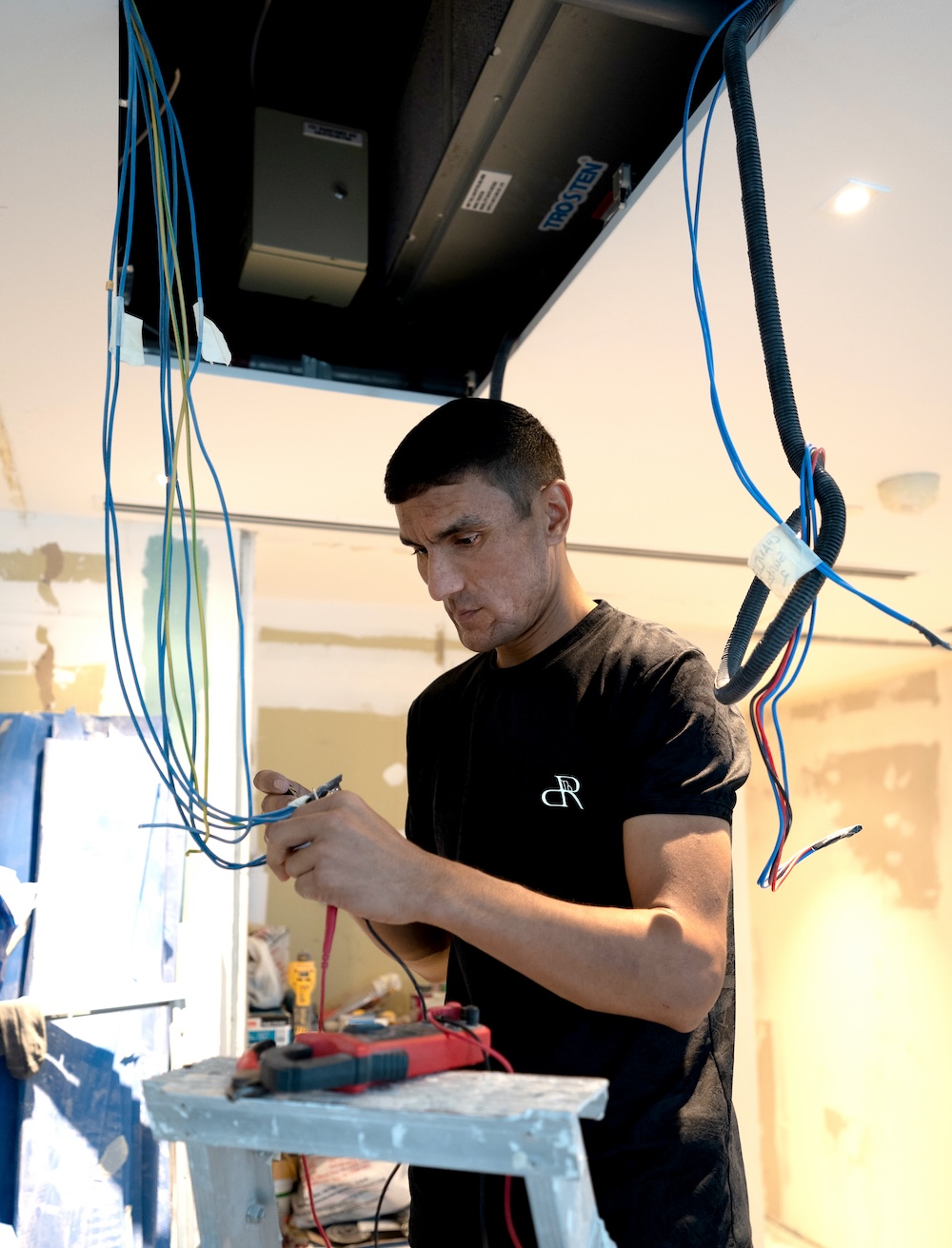
Ask technical questions, not just design ones. Companies that can present a concept beautifully but flounder on questions about load-bearing structures, ventilation, electrical load or a specific developer’s requirements are a signal that the design is disconnected from the reality of construction. A good design project without engineering understanding often turns out to be unbuildable in the form it was sold to you.
Understand the sequence of works and make sure it’s followed. Construction has a logical order: rough works → engineering systems → finishing → final touches. When that sequence is broken — for example, laying the final floor covering before plumbing works are finished — the completed areas often have to be redone. Ask the contractor for a work schedule at the outset and check progress against it.
Request regular photo or video reports from the site. Most construction crews in Dubai run several projects at once, and resources go first to wherever the client is actively monitoring the process. It’s important to lock in regular reporting from the contractor in the contract before work begins: this can be done with a photo/video report of completed works, sent to a WhatsApp group every week.
Visit the site in person — don’t rely on photos alone. A photo shows what someone wants to show you. Visiting in person lets you spot what are known as “technical compromises” — for example, when workers solve a small problem in a quick but not-quite-correct way, so as not to hold up the process.
Approach material purchasing thoughtfully — but without going to extremes. It makes sense to personally oversee purchasing for the items that heavily affect budget and durability: sanitaryware, paint, grout, timber elements. This protects you from the situation where a premium brand appears in the quote, but in reality a lower-grade equivalent bought at the local Dragon Mart is used. At the same time, it’s important to understand: if you buy the materials yourself, responsibility for their quality, compatibility and delivery times also passes to you — not to the contractor. The sensible approach is a transparent quote listing specific brands and product codes that the contractor commits to following, with the client’s right to see the purchase receipts.
In our experience, when buying rough materials most local contractors buy the cheapest option on the market — simply because the client doesn’t see it and doesn’t check. It seems like tile adhesive is tile adhesive, whether it costs 30 dirhams or 350. In reality the difference is enormous: however well the work is done, a finish built on poor materials won’t last — within 5 years the tiling and plaster gradually start to come away and crack.
Make sure the quote lists specific brands of rough materials — for example Knauf and Mapei — rather than anonymous entries like “tile adhesive” or “plaster”. And carry out a check on site after delivery, to confirm the material that arrived actually matches what’s stated in the quote, and wasn’t swapped out at the last moment.
Update Date:06.09.2026
Update Date: 06.09.2026
Andrew Prokopenko
Scandinavian style is the embodiment of comfort and serenity, as they are fundamental to the dwelling of northern people. It is appreciated for its functionality and simplicity...
Andrew Prokopenko
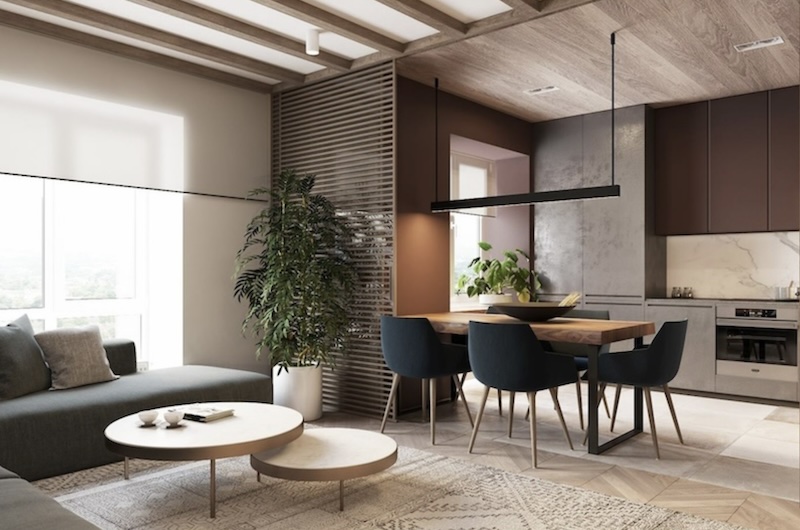
Although the history of its creation dates back 100 years, loft style stays relevant today. It first appeared in the 20s of the XX century in America, when, during the Great Depression, the owners of large factories were forced to leave their premises...
Andrew Prokopenko
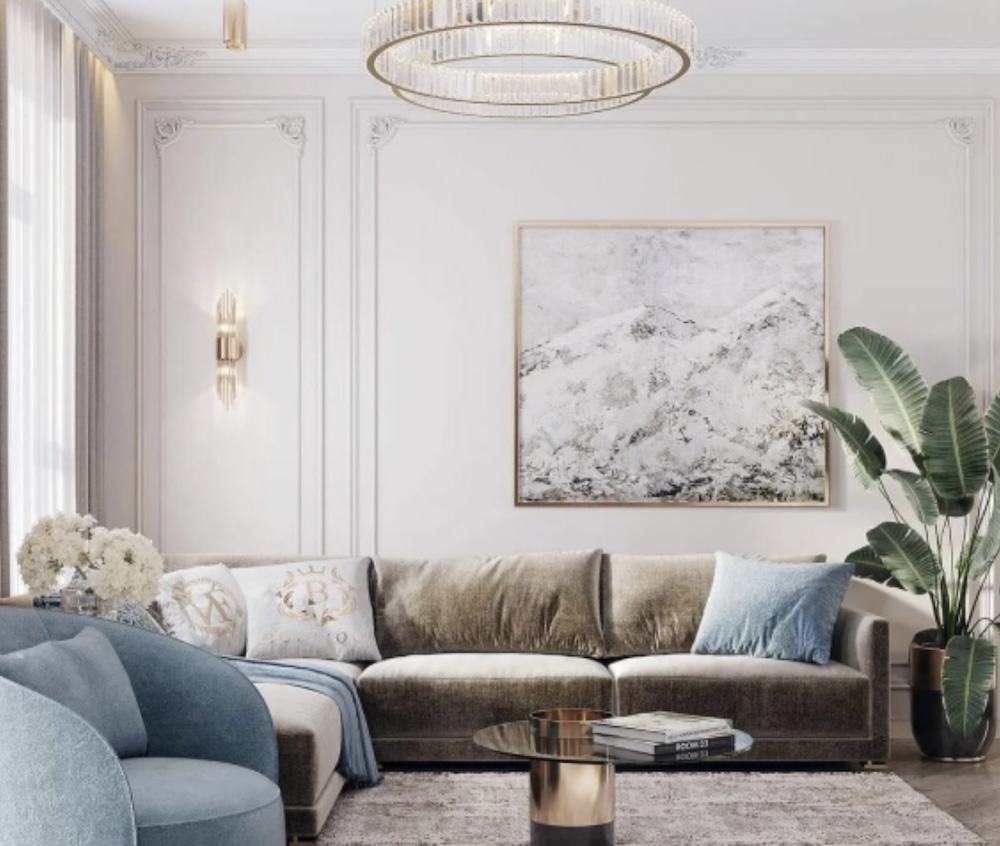
Provence style in the interior – a nice charm of the French province, located on the Mediterranean coast. It emerged in the eighteenth century, when the elite of France started to move away from the pompous atmosphere that was inherent in the Baroque and other historical trends.

Andrew Prokopenko
Andrew Prokopenko
One Contractor vs Several: What's Better for Dubai Renovation?

Andrew Prokopenko
Full Guide: Nakheel Property NOC and Modifications
Мы перезвоним Вам в рабочее время
Aspin Commercial Tower, Sheikh Zayed Rd, Dubai, United Arab Emirates
View on map
Thank you for choosing us!
Leave a complaint
Andriy Prokopenko
Leave a request and our manager will contact you as soon as possible.
You can also give us a call right away:
+971 52-625-34-34