



Andrew Prokopenko
Full Guide: Sobha Property NOC and Modifications — How to Obtain an NOC

Renovation in Dubai comes with its own quirks that are rarely obvious to anyone facing them for the first time. Here are the seven most common problems — and how to avoid them.
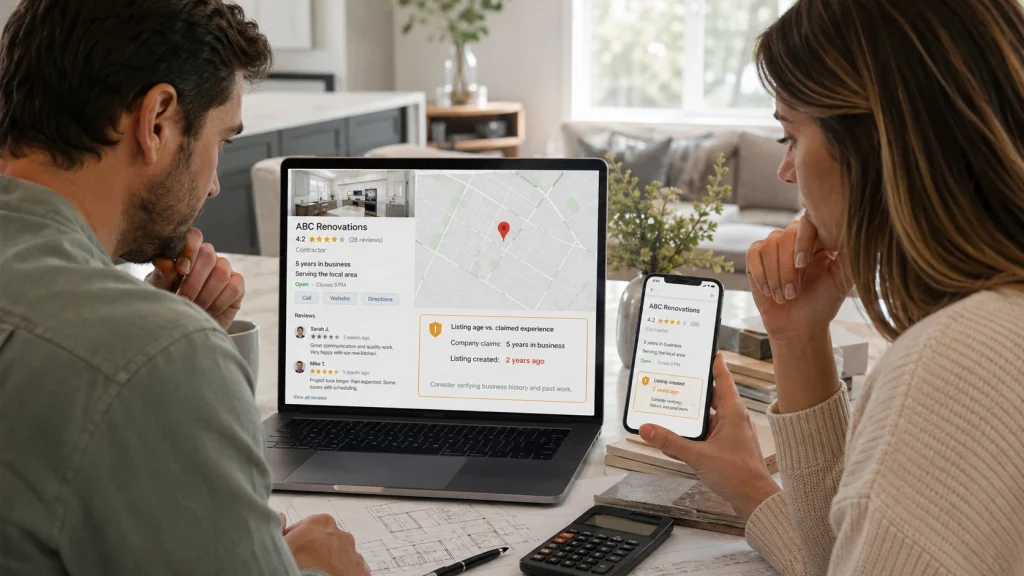
We won’t repeat the obvious points about licences and paperwork — plenty has been written about that already. Instead, here’s a less obvious warning sign that almost no one checks: the creation date of the company’s pin on Google Maps.
Practically every company on the market has a Maps pin with genuine client reviews. The catch is this: a review can’t be deleted once a real client has left it — but the pin itself can. Some companies with a damaged reputation delete the old pin and create a new one to shed the negative reviews and start “with a clean slate”.
How to check it yourself: compare the age of the company (how many years it claims to have been on the market) with the age of its pin on the map. If the company has been operating for 5 years but the pin is only 2 years old, that’s a serious reason to be cautious.
Payment terms in the Dubai market have historically been less favourable to the client than in many other countries. It’s not unusual here for a contractor to receive 50% or more of the project value before rough works have even begun. That creates a risk: once timelines start slipping, changing contractor mid-project is a laborious and expensive process — and the contractor knows it.
The only real protection is a properly drafted contract that anticipates scenarios like this in advance and protects the interests of both sides, not just the contractor’s. We offer an independent technical-supervision service and can review a contract before you sign it — so that legal risks are ruled out before the renovation starts, rather than dealt with after the fact.
This is especially relevant for owners of Beachfront apartments and properties on Palm Jumeirah. Here’s a real case from our practice: the clients completed their renovation, left for the summer, and on returning found the entire apartment — furniture, clothes, walls and the drywall from the inside — covered in mould. Every drywall partition had to be stripped out and the renovation redone from scratch.
The cause we found when we inspected the property as the new contractor: gaps between the windows and the walls, through which hot, humid air was constantly being drawn into the apartment. This is exactly the kind of problem that could have been caught in advance — through snagging (a technical inspection) with a specialist engineer before the property was purchased. Because no snagging was carried out, the owners took a loss estimated at more than $200,000, not counting personal belongings.
Dubai has no single set of rules for reconfiguring layouts — every residential development has its own. In Meraas buildings, for example, replacing bathroom tiling is often prohibited, because it can compromise the integrity of the waterproofing. Removing even small drywall partitions is tightly regulated, and raising the ceiling height requires a separate permit from Dubai Civil Defence to modify the fire system.
Design studios with no experience of the Dubai market often fail to account for these restrictions — as well as the real positions of pipes, ventilation and utilities, because they aren’t physically in the country and don’t have engineers with a working grasp of local codes.
The result: the client ends up with a beautiful but unbuildable project. Substantial changes have to be made as construction goes on, the final finish differs noticeably from the original renders, and the builders are left idle waiting for revisions from the designers before each new stage. In short, a premium design project turns into drawn-out timelines and a result that doesn’t match expectations.
A similar problem arises with local design studios that have no construction team of their own. These studios bring in outside subcontractors — and the end result depends directly on the subcontractors’ skill, not on the studio’s stated level. In that situation, a gap between expectation and reality is almost inevitable.
One of the most dangerous risks for a property owner. Any change to the layout requires approval not only from the developer but also from the relevant authorities — DCD, DLD, DM, TRAKHEES, depending on the type of work. The drawings for this approval must be prepared and certified by a licensed engineering firm, which adds cost and time — and some contractors prefer to “cut” this stage, obtaining a permit for less than the full scope of work.
The consequences: the management company’s engineer can visit the property at any time — whether as part of routine monitoring or in response to a neighbour’s noise complaint. If unapproved works are discovered, the permit is cancelled on the spot, and a fine is imposed on the owner — the owner, not the contractor. In serious cases, the management company can place a ban on selling the apartment. To avoid this, it’s important to personally review the NOC and the approved scope of work, rather than relying on the contractor’s word alone.
This is important to understand: in Dubai, liability for the renovation and for any damage arising during the works — delivery of materials and tools, the construction work itself, damage to common areas, pipe leaks or breaches of waterproofing — rests by default with the apartment owner, not the contractor. If damage occurs, the owner is first obliged to cover the costs out of their own pocket, and only afterwards can attempt to hold the contractor liable through the courts — a long and costly process.
That’s precisely why choosing a contractor isn’t a formality but a decision with direct financial consequences. Working only with licensed teams substantially reduces these risks.
All of these problems have one thing in common: they arise before the contract is signed or in the first weeks of the project — and by the time they become visible, fixing them is already expensive and slow.
That’s why we offer an independent technical-supervision service — you can come to us before signing a contract with any contractor. We check the contract for legal risks, review the NOC and the approved scope of work, assess whether the design project is realistic in light of local codes and engineering constraints — and we oversee the project at every stage, so that schedule slippage, substandard materials or unapproved works don’t become an unpleasant surprise after the money has already been spent.
Whether you’re still choosing a contractor or have already run into one of the situations described above — message us on WhatsApp or Telegram and we’ll review your case.
Update Date:06.09.2026
Update Date: 06.09.2026
Andrew Prokopenko
Full Guide: Sobha Property NOC and Modifications — How to Obtain an NOC

Andrew Prokopenko
Wall Panels vs Painting: What's Better in Dubai
Andrew Prokopenko
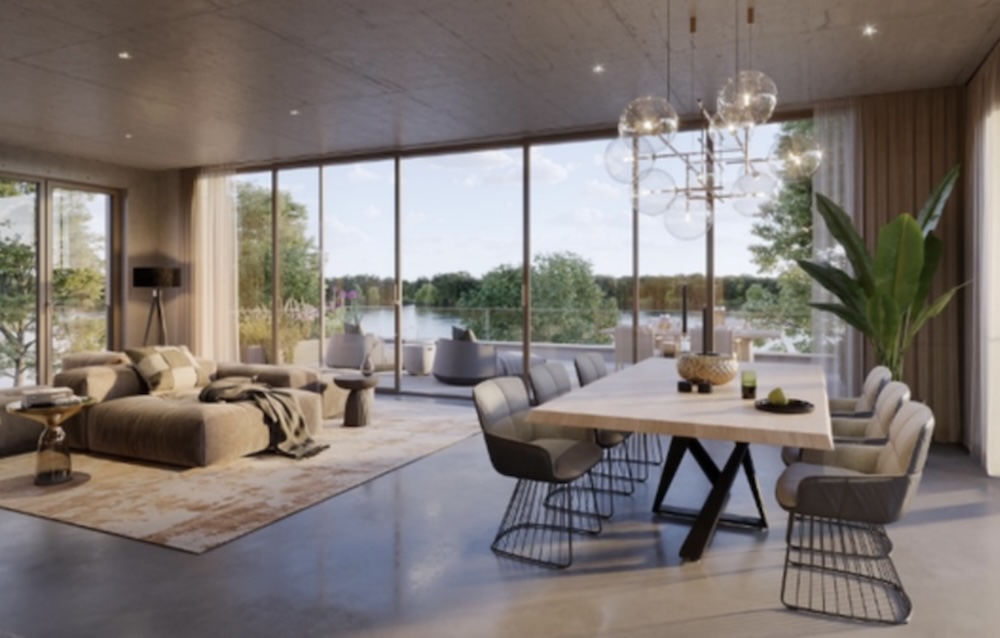
Minimalism in interiors gives a sense of freedom, fills the space with light and air. Repairs in this style are quite often requested in Prestige-Renovation for modern houses, apartments, villas, and cottages...
Andrew Prokopenko
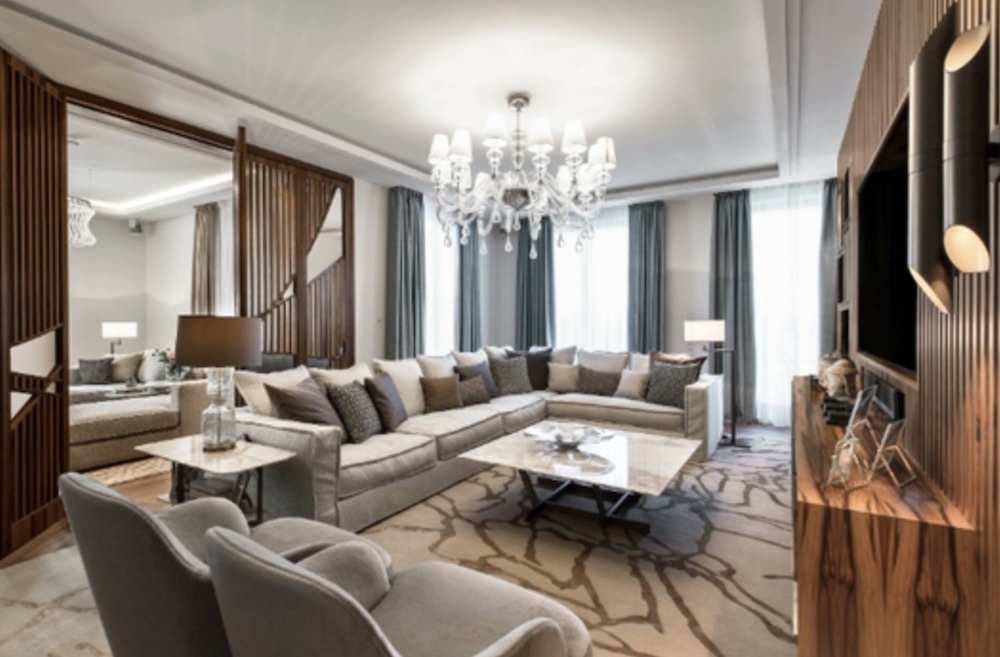
There are over 100 interior design styles. Each has its own unique features, and some are very similar to each other and differ only in details. There are no strict rules for creating a design: it is a creative flight of fancy...

Andrew Prokopenko
Scandinavian style is the embodiment of comfort and serenity, as they are fundamental to the dwelling of northern people. It is appreciated for its functionality and simplicity...
Andrew Prokopenko
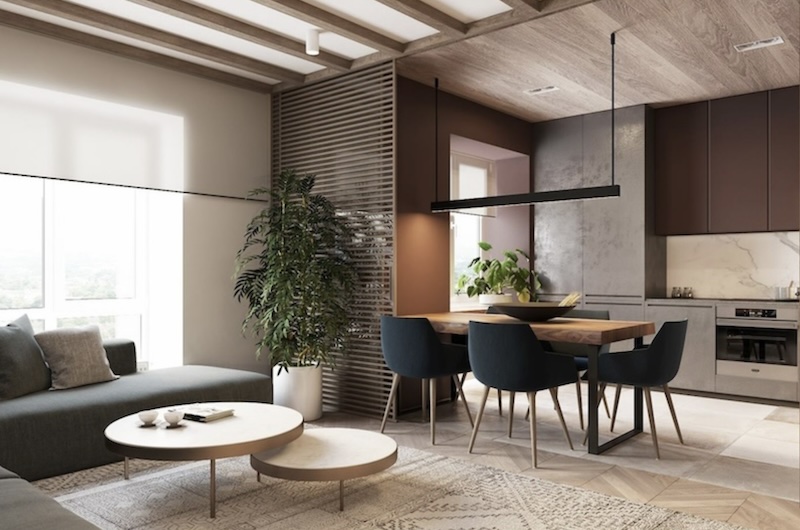
Although the history of its creation dates back 100 years, loft style stays relevant today. It first appeared in the 20s of the XX century in America, when, during the Great Depression, the owners of large factories were forced to leave their premises...
Мы перезвоним Вам в рабочее время
Aspin Commercial Tower, Sheikh Zayed Rd, Dubai, United Arab Emirates
View on map
Thank you for choosing us!
Leave a complaint
Andriy Prokopenko
Leave a request and our manager will contact you as soon as possible.
You can also give us a call right away:
+971 52-625-34-34